Breaking Down Extermination Pricing: What You Should Anticipate
Pest control is a crucial part of maintaining a secure and hygienic home environment. Many homeowners underestimate the significance of routine pest management, often leading to infestations that can cause significant stress and expensive damage. This detailed guide will break down the costs linked to pest control, assisting you understand what to expect and how to budget effectively for these essential services.
From common household pests such as ants and cockroaches to seasonal invaders seeking refuge in your home, being proactive is key. We'll discuss why DIY pest control often fails and how professional services can provide a more effective solution. By knowing the typical expenses and the factors that affect them, you can make informed decisions about keeping your home free of pests year-round. Whether facing irritating summer bugs or winter rodents, understanding pest control costs is the first step in protecting your home and your peace of mind.
Comprehending Pest Control Costs
When considering pest control, it is essential to understand the various factors that influence the overall costs. These can account for the kind of pest being targeted, how serious the infestation is, and the methods selected to eliminate pests. Frequent home invaders, such as ant colonies or roaches, may call for treatments that are less resource-heavy compared to greater issues like termite infestations or bedbug infestations, which can escalate costs significantly. Additionally, how often treatments are needed to keep your home pest-free can also affect your budget.
Another aspect to look at is whether you choose professional services or attempt to handle pest control yourself. While DIY methods might look economical at the outset, they often fall short in providing lasting results. Recognizing Pest Control Queen Creek of DIY methods and knowing when to spend on professional pest control services can make a significant impact in your overall costs and effectiveness of pest management.
Ultimately, seasonal patterns can impact the costs associated with pest control. Certain pests are more common during certain times in the year, leading to fluctuating costs associated with preventive actions or urgent treatments. For instance, the spring season may see an increase in ants and wasps, while winter could bring pests like rodents looking for refuge. By matching your pest control strategy with seasonal changes, you can better prepare for the associated costs and ensure a pest-free home all year round.
Frequent Domestic Pests and Remedies
Homes often contend with a multitude of frequent pests that can disrupt everyday activities and pose health hazards. Ant populations are one of the most seen nuisances, with numerous types invading residences in search of nourishment. To efficiently remove ants, it's crucial to locate and eliminate the colony and eliminate food sources. Attractant traps can also aid in attracting and destroying them, ensuring they do not reappear.
Another prevalent pest is the roach, known for thriving in filthy conditions. These hardy insects can be difficult to eliminate. To manage a cockroach issue, thorough sanitation is essential to get rid of food crumbs and mess. Utilizing attractant stations and traps, along with professional pest control assistance, ensures a more successful elimination of cockroaches from your residence.
Bed bugs have become a increasing concern in several residences, often concealing in mattresses and linens. Their stings can lead to irritation and restless nights. To detect a bed bug issue, check for small blood spots or molted skins in your linens. Getting rid of these pests generally necessitates a combination of careful cleaning of bedding, hoovering, and, in numerous cases, engaging a pest control professional to treat the infested zones with suitable pest control products.
All-Season Pest Prevention Methods
To keep a pest-free and safe home all the year, it's crucial to implement preventive approaches tailored to each season. In spring, concentrate on closing off any cracks or openings around window frames and entryways to prevent bugs from entering as they emerge from their winter dormancy. Maintain your garden tidy by upkeeping vegetation and hedges and guaranteeing that standing water is removed to deter mosquito populations and various bugs.
As the summer months sets in, explore the employment of eco-friendly barriers and barriers that can safeguard your yard. Consistently check indicators of infestations, particularly around food sources both indoors and outdoors your home. This is also the time to address any current problems like ant trails, ensuring that food is stored securely and waste is thrown away correctly.
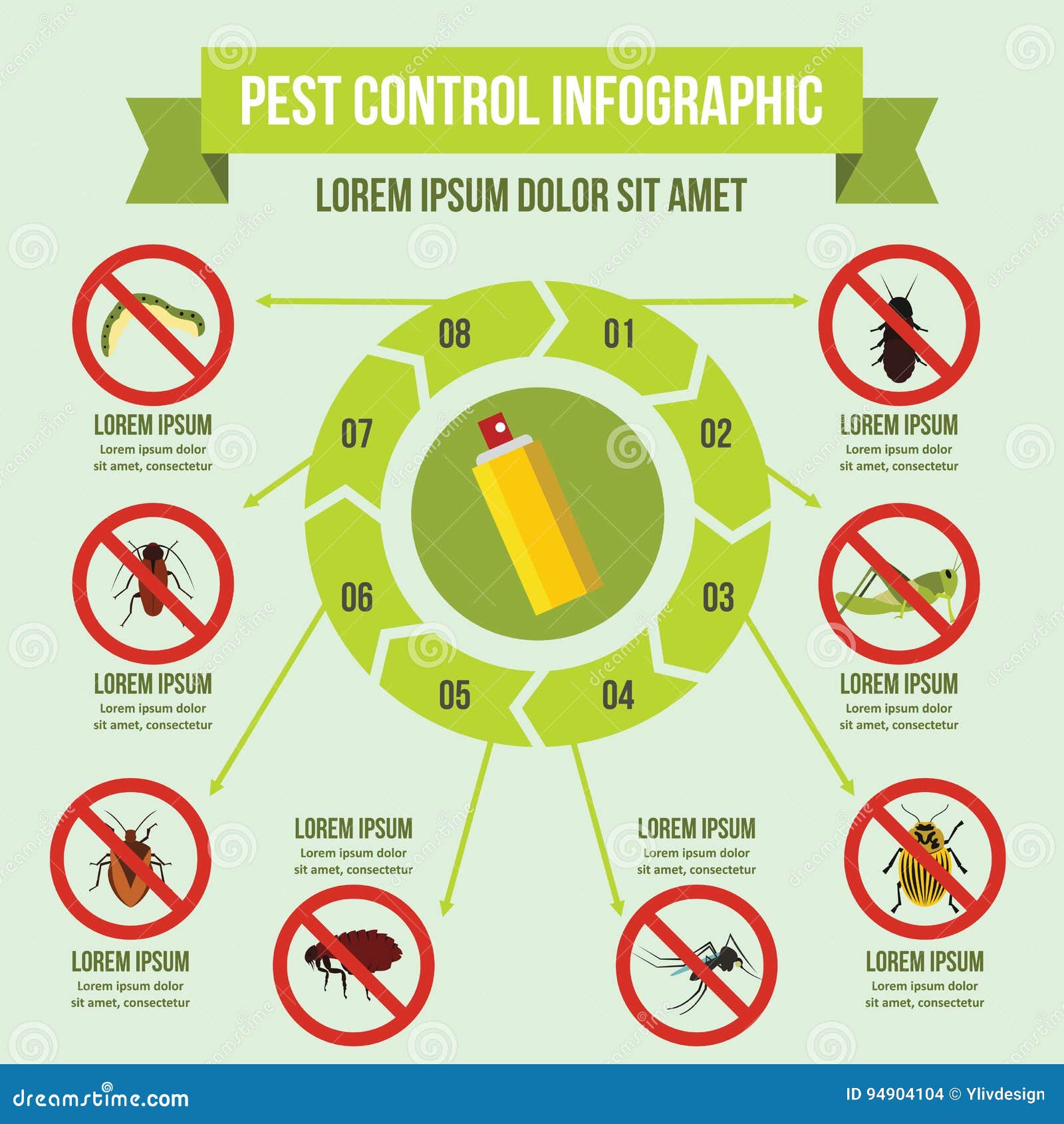
When the autumn months arrives, pests often look for warmth from the cold, making it crucial to examine your home for potential entry points. Use barriers on vents and stack pipes, and inspect for gaps in your home's base. In winter, concentrate on ensuring warmth and sanitation in your home, as this deters rats and roaches. Regular inspections and upkeep routines, such as making sure drainage systems are free of debris and free of debris, will help ensure your home is defended continuously against pests.